Meat guide · Veal
Veal, a fine and delicate meat
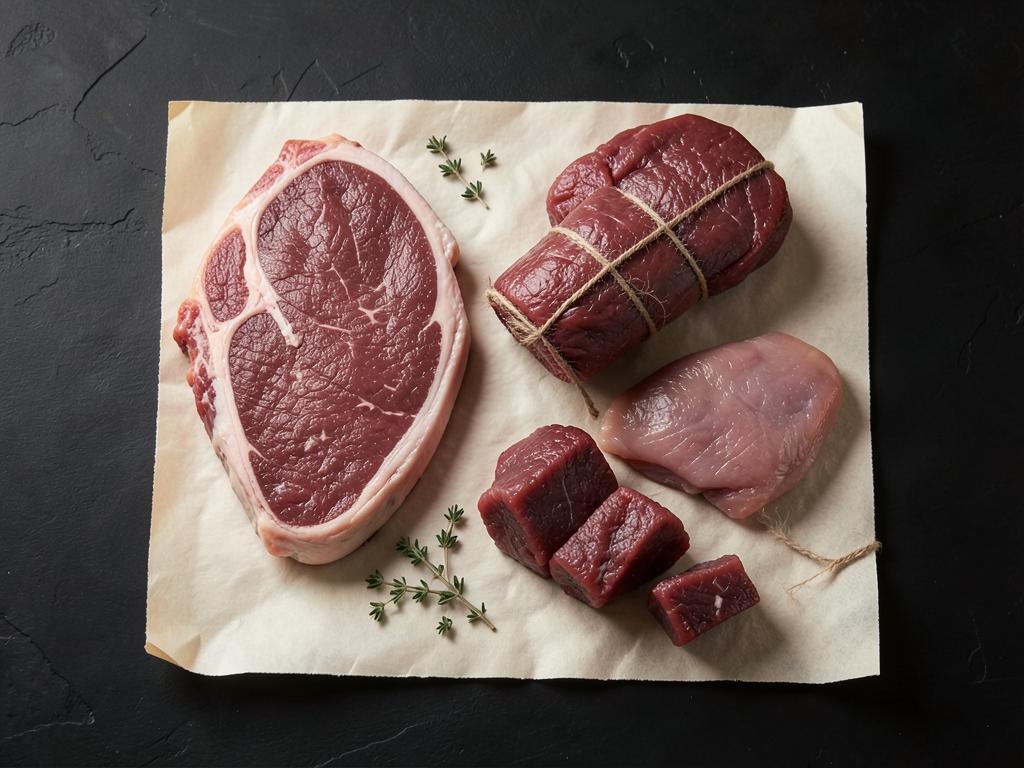
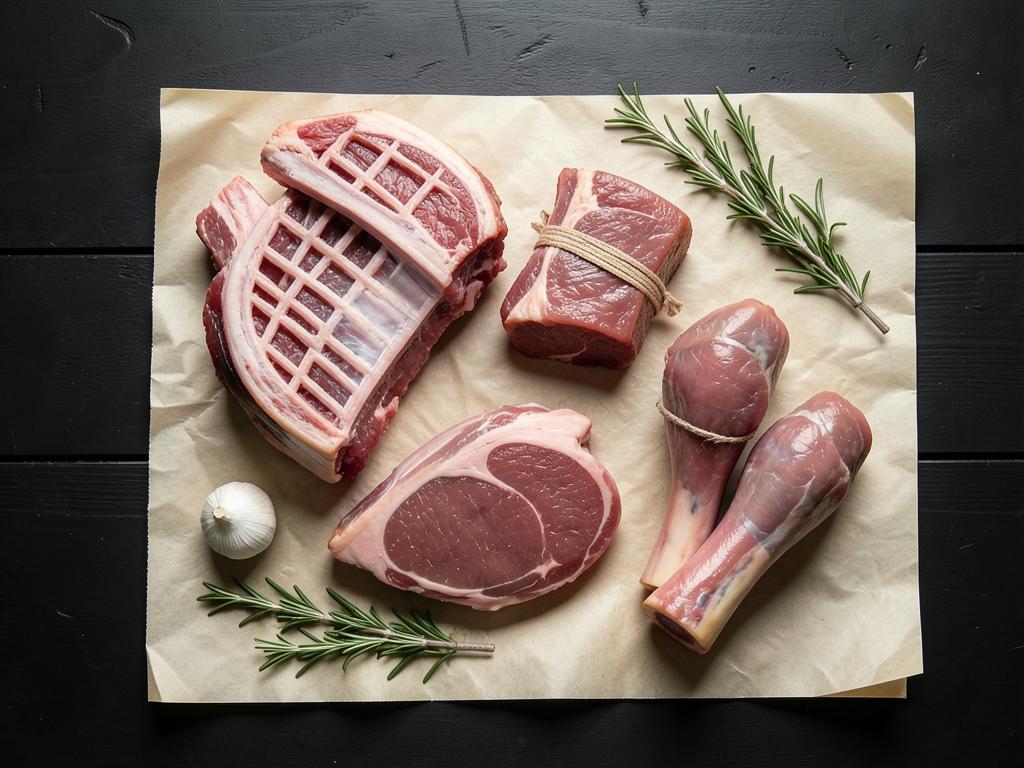
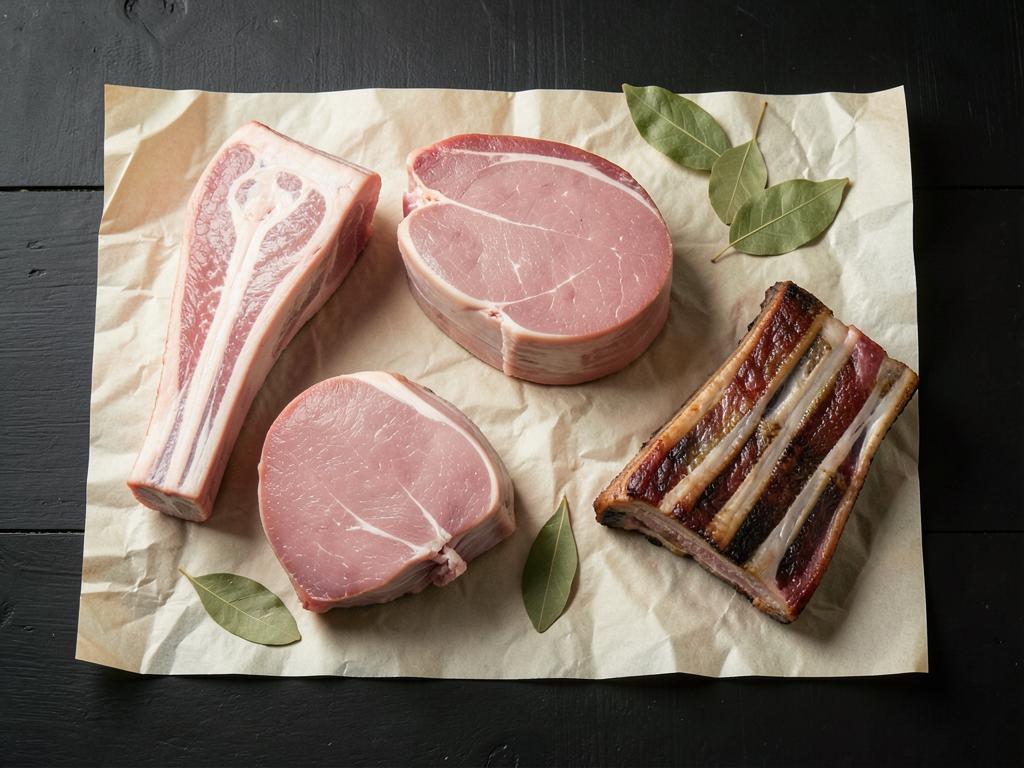
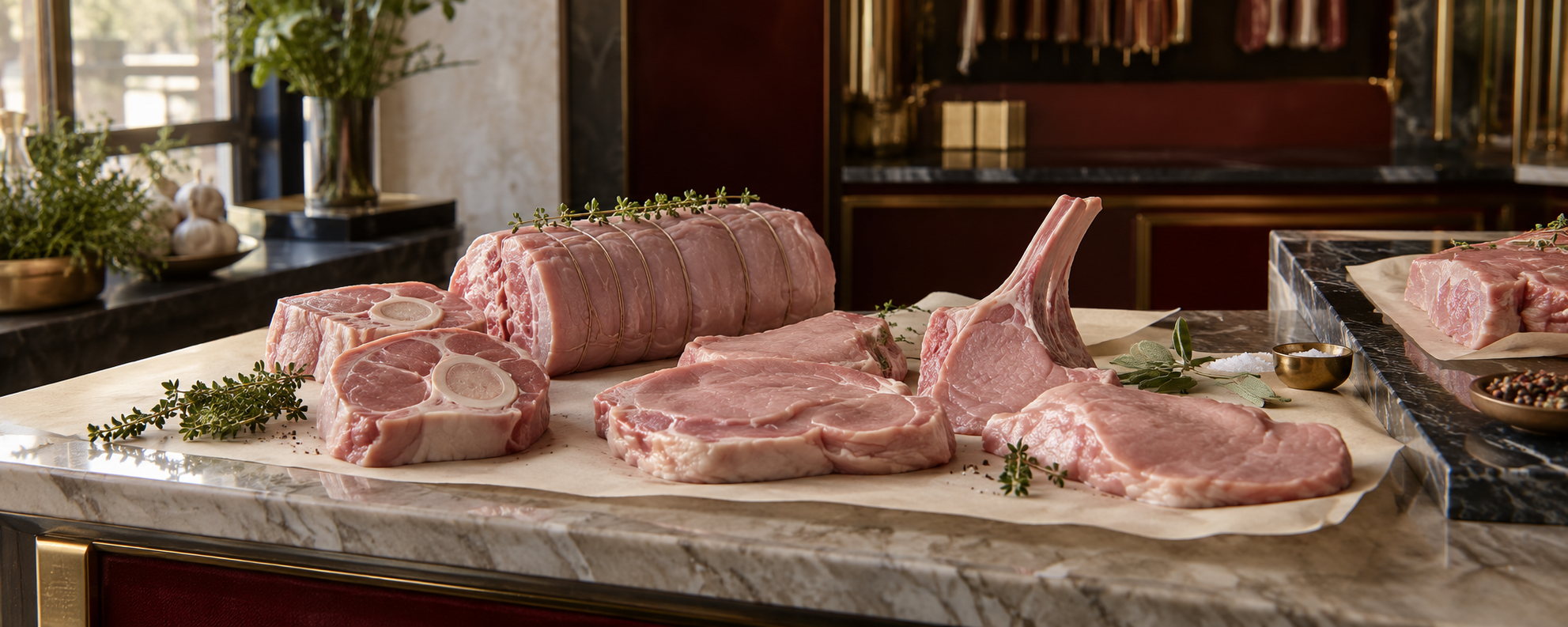
Veal asks for gentleness: its pale, tender flesh does not enjoy fierce, prolonged heat, but shines in roasts, sautés in sauce and the classic blanquette. This guide presents the common cuts and how to treat them. It does not describe today's stock: ask at the counter.
Understanding the cuts
Understanding the cuts
From the front to the back of the animal, each region gives cuts with a different character. Tap a region to filter, then a card for details.
Front to back
Which cut for which dish?
Which cut for which dish?
Choose the cooking method first: the right cut follows.
Long and low, in liquid: gelatinous cuts turn melting.
A little history
Veal in French cooking
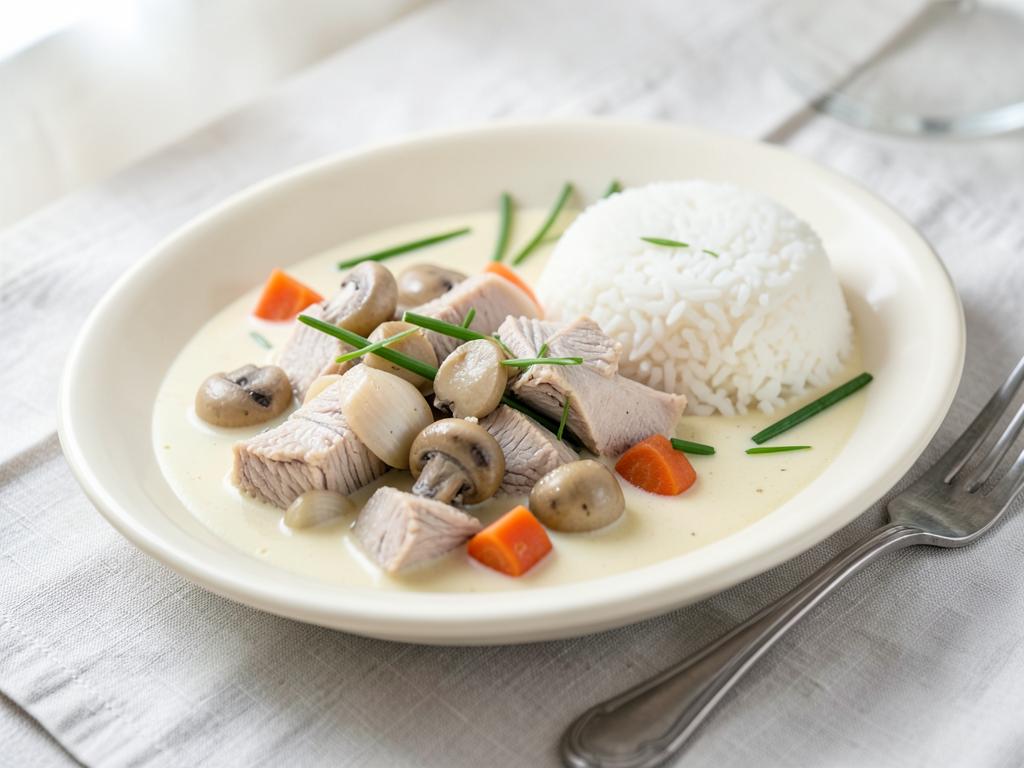
Veal long remained a Sunday and celebration meat in the French countryside. Its finesse inspired classics of the bourgeois repertoire: blanquette, escalope in cream sauce, veal chop with morels, and osso buco, borrowed from Italy and adopted on this side of the Alps.
At the butcher's, veal stands out by the paleness of its flesh and the delicacy of its grain. Prime cuts are best served pink; gelatinous cuts such as shin or tendron want long, gentle cooking.
Recipes
Related recipes
Recipes for 6, with the butcher's advice on cuts.
In the shop
Ask your butcher
No product in this category can be ordered online yet. The counter prepares to order: call us for a specific cut, weight or preparation.
What next?
Have a cut in mind?
Call the shop, browse the available products, or ask us for a special preparation.
Meat guides