Meat guide · Beef
Beef, cut by cut
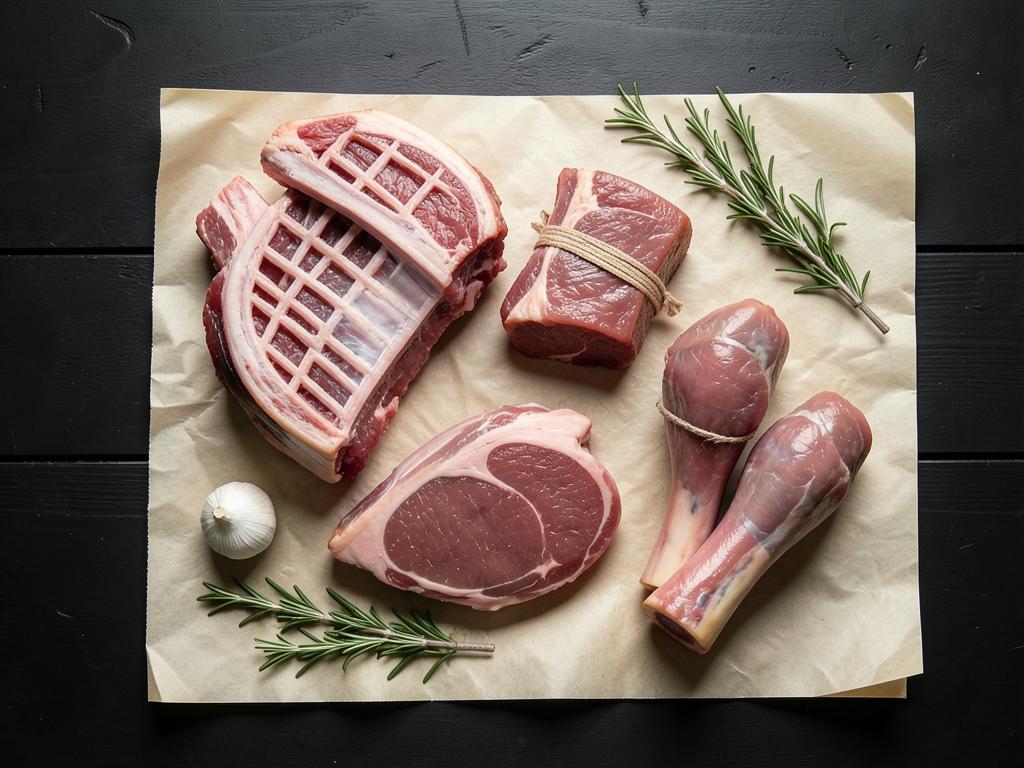
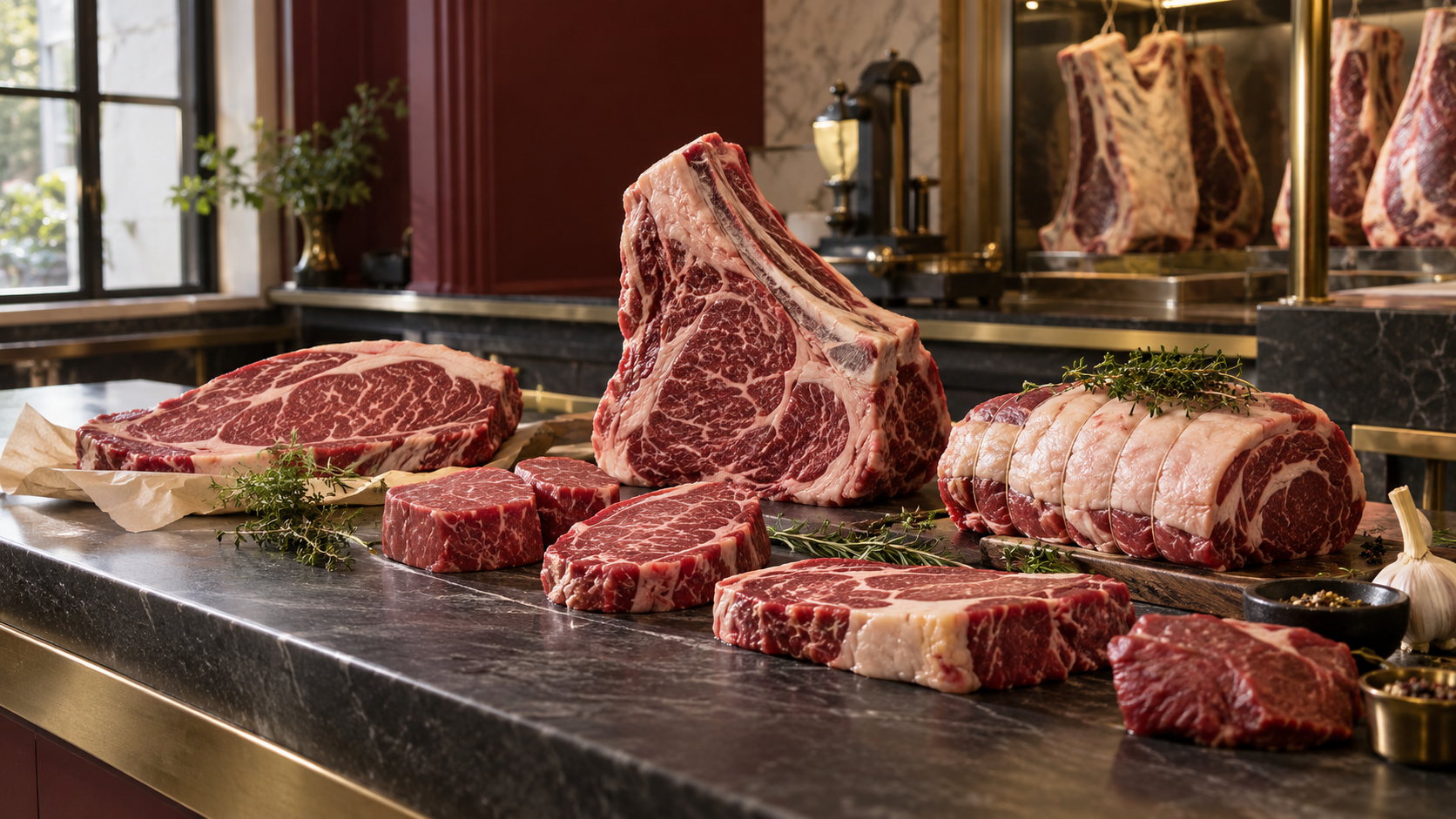
From neck to tail, beef offers some thirty cuts with very different personalities. This guide explains the main families of French butchery cuts, how to cook them and which dishes suit them. It is editorial: to know what is at the counter today, browse the shop or call us.
Understanding the cuts
Understanding the cuts
From the front to the back of the animal, each region gives cuts with a different character. Tap a region to filter, then a card for details.
Front to back
Which cut for which dish?
Which cut for which dish?
Choose the cooking method first: the right cut follows.
Long and low, in liquid: gelatinous cuts turn melting.
A little history
Beef in French cooking
Beef sits at the heart of French cooking, from the family pot-au-feu to large grilled joints for celebrations. French butchery is unusually detailed: it distinguishes some thirty cuts by tenderness and use, which is what allows every part of the animal to be cooked to its best.
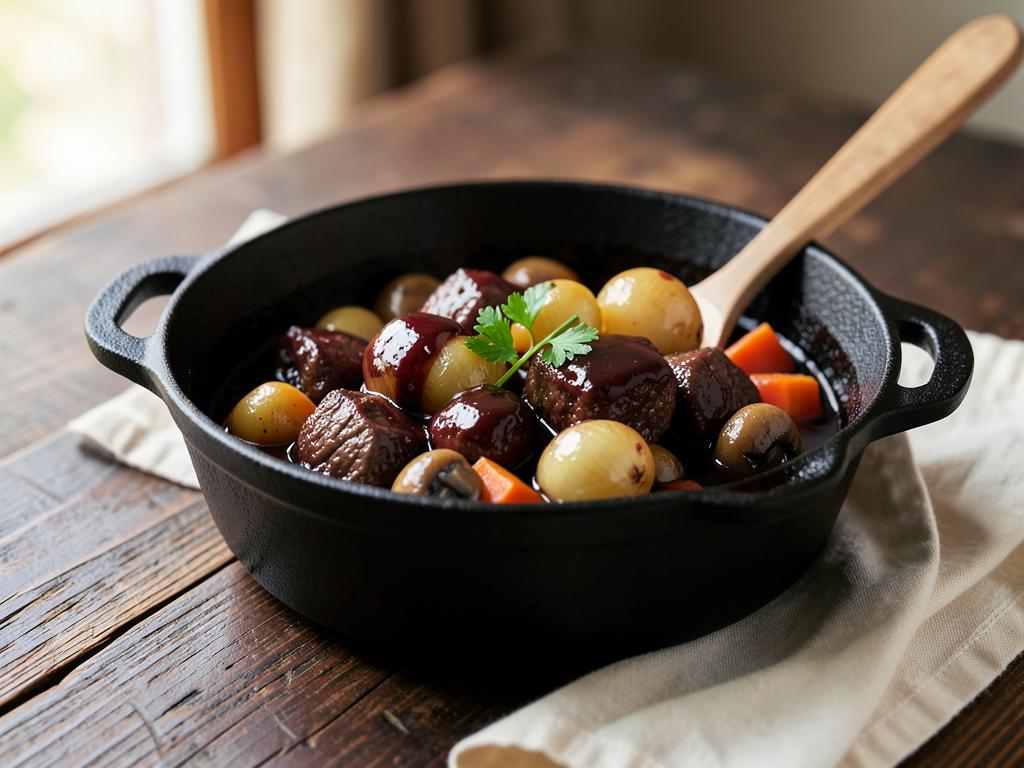
Burgundy gave its name to the country's best-known braise, boeuf bourguignon, born where the region's cattle farming met its red wines. The Nivernais, around Nevers, is historically a land of Charolais cattle rearing.
The so-called slow-cooking cuts — neck, chuck, shoulder, silverside, cheek — were once the most common on French tables. Cooked long and gently, they give melting dishes with sauces naturally bound by collagen.
Recipes
Related recipes
Recipes for 6, with the butcher's advice on cuts.
In the shop
Ask your butcher
No product in this category can be ordered online yet. The counter prepares to order: call us for a specific cut, weight or preparation.
What next?
Have a cut in mind?
Call the shop, browse the available products, or ask us for a special preparation.
Meat guides